November 26, 2026
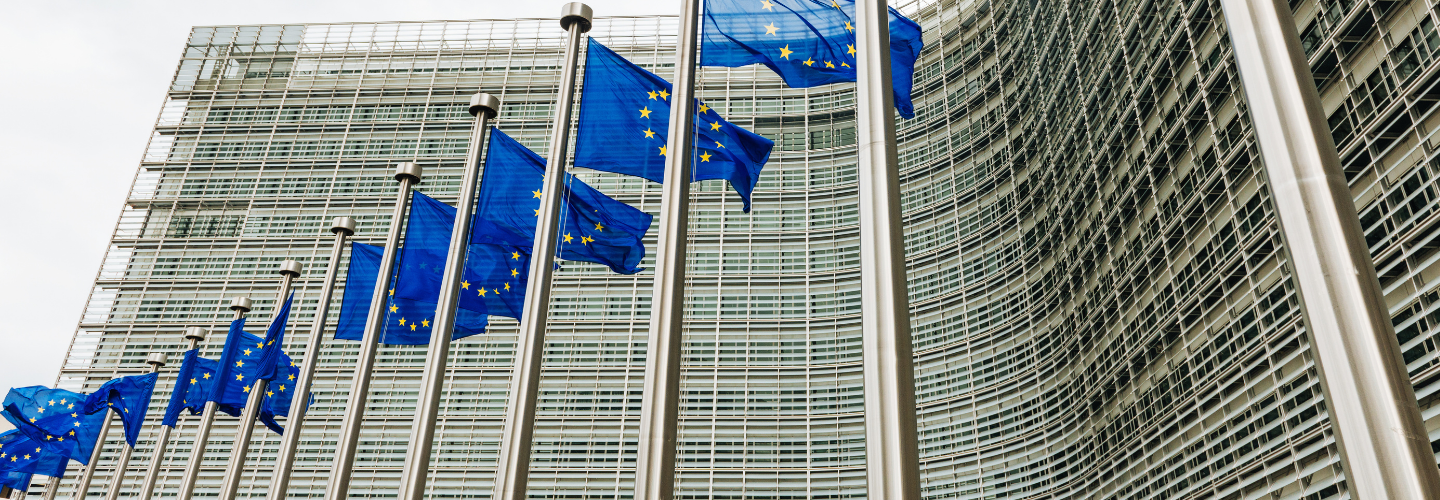
Ireland's EU Presidency (July–December 2026): Opportunities to Support Social and Affordable Housing
Purpose
This week sees Ireland hosting an Informal meeting of Housing Ministers organised as part of the Irish Presidency of the Council of the EU. Traditionally, housing has been firmly a competency for the Member States. However, housing is increasingly being viewed as an EU-level issue with the potential for common solutions.
This briefing outlines how Ireland can use its Presidency of the Council of the European Union and in particular this week’s informal meeting, to support social and affordable housing across Europe. It also highlights what this could mean for businesses, housing providers, local authorities, and investors.
Background
From 1 July to 31 December 2026, Ireland holds the Presidency of the Council of the European Union.
The Presidency does not allow Ireland to make new EU laws or require countries to change their housing policies. However, it does allow Ireland to:
- Chair meetings of EU ministers.
- Set priorities for discussions.
- Help EU countries reach agreement.
- Move European Commission proposals through the decision-making process.
Housing has been a core topic during Ireland's Presidency as evidenced by this week’s gathering of European Housing Ministers.
Why Housing Matters
Many European countries face similar housing issues, including:
- High house prices.
- Rising rents.
- Too few affordable homes.
- Increasing homelessness.
- Difficulty recruiting workers because housing is too expensive.
How Ireland Can Lead
During its Presidency and beyond, Ireland should:
- Keep housing high on the EU agenda.
- Guide the EU implementing the European Affordable Housing Plan.
- Support more investment in social and affordable housing.
- Encourage changes to State Aid rules so governments can invest more easily in housing.
- Promote Modern Methods of Construction (MMC) to build homes faster and more efficiently.
- Support better regulation of short-term holiday lets where they reduce long-term housing supply.
- Host a European Housing Summit to share ideas and best practice.
- Encourage housing to become a stronger part of the EU's economic planning.
Learning from the EU
Several EU countries have developed successful housing systems that offer useful lessons for Ireland and other member states like Hungary and Czechia with less mature social housing sectors.
- Austria has invested in large-scale social and affordable housing for decades leading to a sustainable and independent social housing sector.
- Finland has reduced homelessness through its Housing First programme.
- Germany works closely with private developers to deliver affordable homes.
- The Netherlands has strong non-profit housing organisations.
- Denmark encourages tenants to play an active role in managing housing.
These examples show that long-term investment and strong partnerships can improve housing affordability.
What This Means for Irish Stakeholders
Ireland's Presidency may create new opportunities for organisations involved in:
- Housing development.
- Construction.
- Modern Methods of Construction (MMC).
- Infrastructure investment.
- Social and affordable housing.
- Urban regeneration.
- Housing finance.
- Energy-efficient building projects.
Stakeholders from across housing-related industries should monitor developments during the Presidency as new EU funding and investment opportunities may become available.
Conclusion
Ireland's Presidency gives it an important opportunity to influence the future of housing policy across Europe.
While housing remains mainly the responsibility of individual countries, Ireland can help build agreement on European solutions, encourage greater investment, and promote successful housing models from across Europe.
For businesses and organisations working in housing and construction, the Presidency is likely to bring new policy developments, funding opportunities, and increased cooperation across the European Union.
Author : Harry Casey, Policy Intern'
Read more